
Record Minnesota Primary Voter Turnout Also Seen in Northwest Suburbs
It was a primary election for the history books in Minnesota. A historic 25 percent of registered voters statewide showed up to cast their ballots on Aug. 11 with more than 1 million votes cast. Those record-setting trends were also seen in the northwest metro.
Hamline Law Professor David Schultz said while Minnesota’s civic participation is typically high, it’s tougher to get voters out for an August primary.
This year, however, the high turnout surprised him.
“All the evidence would suggest based upon past track record in Minnesota, looking at other states, that it should’ve been a pretty mediocre turnout,” Schultz said. “Did I expect it to be somewhat elevated because of all the contested races? Yes. But certainly not at one quarter of the population.”
Schultz said a few things point to the historic numbers. One is Operation Metro Surge, which he said may have particularly energized Democratic voters. Key races — such as mayoral races in Brooklyn Park and competitive party races for U.S. Senate and Minnesota governor — also may have played a role in turnout.
“People are more likely to turn out if they feel like their vote matters, or if they feel like there’s actually a competitive election,” Schultz said. “Second is that especially, again with the Minnesota Senate race, there was an incredible amount of money being spent.”
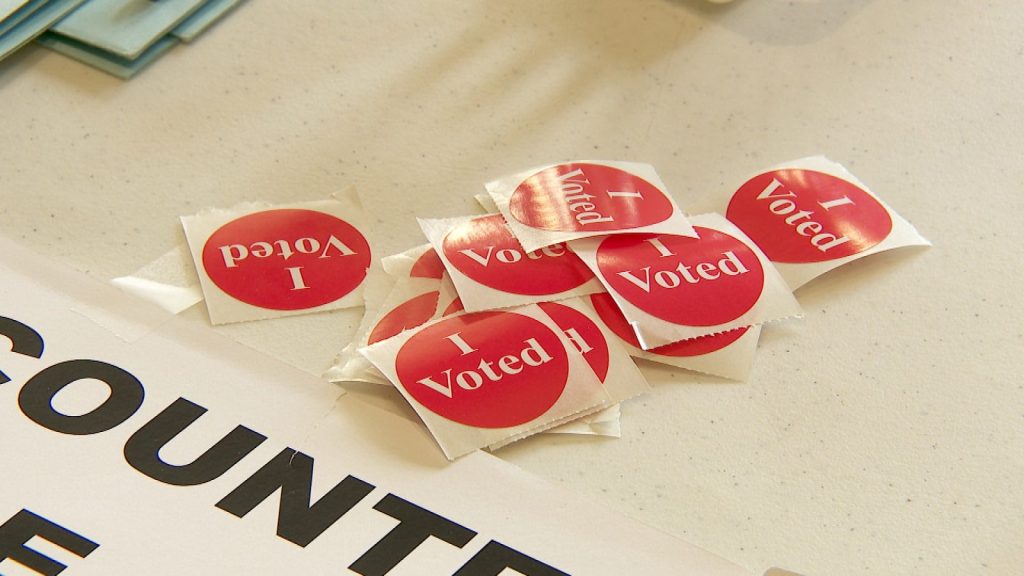
More than 1 million people showed up to vote in Minnesota for this year’s August primary.
High Local Impact
Record high turnout also was seen in cities throughout the northwest metro. Brooklyn Park City Clerk Devin Montero said 25 percent of registered voters showed up, a record for a primary in his city.
“We also had our mayor’s race, and a council member in the East [District] race that also brought out the voters,” Montero said.
Montero said he believed high voter engagement could be a part of the higher turnout, though he predicted a much lower percentage, too. In his time as clerk, the lowest primary he had ever encountered was 8 percent turnout in 2018.
“It kind of rivaled, back in the COVID era, 2020, back when we had 24 percent,” Montero recalled.
As for other cities in the area, New Hope saw 29.8 percent primary turnout, Plymouth 29.6 percent, Maple Grove 30.8 percent, Crystal approximately 30 percent, Robbinsdale at 39 percent and Golden Valley with 43.3 percent. All of those percentages were higher than previous recent primaries.
These percentages were reported by each city’s clerk and all are unofficial. Based off Secretary of State data, Brooklyn Center saw 21.6 percent and Osseo 29.3 percent. Those were calculated by dividing estimated voters by the total number registered.
Montero hopes these trends continue into the general election, which is why he’s in need of election judges. People from any city in Minnesota can check out how to do that on the Secretary of State’s website.
Early voting begins Friday, Oct. 26, but ballots are available for in-person absentee even earlier on Friday, Sept. 18.
Schultz said, though that while the high primary turnout could show party enthusiasm, it may not mean a higher turnout in the general election. As for how voters will show up, we’ll find out in November.
Brooklyn Center | Brooklyn Park | Crystal | Golden Valley | Maple Grove | New Hope | Osseo | Plymouth | Robbinsdale | Twin Cities

 CCX MEDIA
 NEWS
NEWS
 NEWS
NEWS
 SHOP/ORDER