
Options for Customers After Minnesota Rusco Closure
You’ve likely heard the jingle. Minnesota Rusco, the longtime New Hope company that’s been around “since 1955,” abruptly closed last week.
Minnesota Rusco was bought in 2022 by Dallas-based Renovo Home Partners, a company formed by private equity that gobbled up home renovation brands.
“With heavy hearts we regrettably inform you, Minnesota Rusco, a Renovo Home Partners company, has ceased all operations,” read a statement put out by the company.
“We would like to wish our staff and their families the best as they navigate these difficult times and thank all of Minnesota for their 70 years of support and trust.”
The parent company, Renovo Home Partners, also ceased all operations. A Chapter 7 bankruptcy filing was expected, according to the trade publication Qualified Remodeler. The demise of the company was traced to heavy debt and a cooling home-remodeling market due to homeowners delaying projects amid rising inflation.
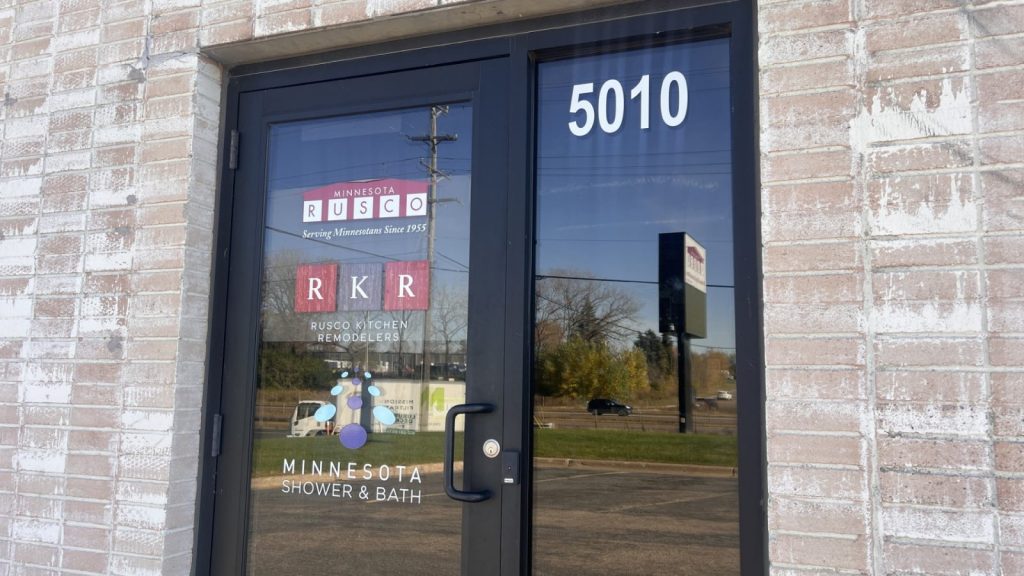
No signs were left on the door at Minnesota Rusco in New Hope.
Options for Customers
The news took customers by surprise, some with payments made for jobs yet to be completed. The Minnesota and North Dakota chapter of the Better Business Bureau (BBB) began taking calls.
The BBB encourages people to look at its website to validate a contractor, to view its rating and to see any concerns raised in the past about the company.
For Minnesota Rusco customers left in the lurch, there are some steps to take.
The Minnesota Department of Labor and Industry (DLI) has a Contractor Recovery Fund, which compensates Minnesota consumers “who have suffered an actual and direct out-of-pocket loss due to a licensed contractor’s fraudulent, deceptive or dishonest practices, conversion of funds or failure of performance,” according to the state website.
“The fund can pay up to $550,000 on behalf of one licensed residential building contractor or remodeler, with a separate limit of $100,000 per consumer,” read a statement by DLI.
Before applying to the fund, however, consumers must win a civil court judgment or successful lawsuit against the company. To get through that court process, customers should gather as much information as they can, including the following:
- contracts
- invoices
- any communication
- warranty information
- other information that would be helpful for an insurance claim
If purchases were made through a credit card or the bank, the BBB encourages consumers to contact their financial entities to dispute the charges for unfinished work.