
‘Price Keeps Going Up’: Cities, Bus Companies Grapple With Rising Fuel Costs
As conflict in Iran continues, crude oil prices — and ultimately, gasoline and diesel prices — are on the rise.
AAA reports that the national average is over $4 a gallon. That’s more than a dollar increase from last month.
For everyday commuters, it’s a hit to the pocketbook. For businesses other entities that drive for a living, it’s an even bigger blow.
“I think we average about 16,000 gallons per month,” said Zach Lundberg, internal operations manager at the city of Maple Grove’s Public Works department.
His department operates about 450 vehicles, such as snow plows and police cars, that run on diesel and unleaded gasoline.
And even as prices continue to rise, the city can’t abandon these vehicles and the core services they provide.
“With the nature of what the city does, providing what we’d say critical services like police and fire and public works, plowing streets and our utility operations … they still have to go do those operations,” Lundberg said. “We still have to do our work.”
Some cities receive fuel through a state contract, but Maple Grove isn’t one of them.
Lundberg said it’s made more financial sense for Maple Grove to get gasoline from a number of different vendors instead.
Fortunately, Lundberg said they’ve budgeted for unusually high prices and fluctuations overtime.
Operating so many vehicles is no cheap feat, but they’re working on ways to get ahead of some future hikes.
“We’re actually planning this year for a couple different things,” Lundberg said. “A couple of the squad cars we are buying are hybrid squad cars.”
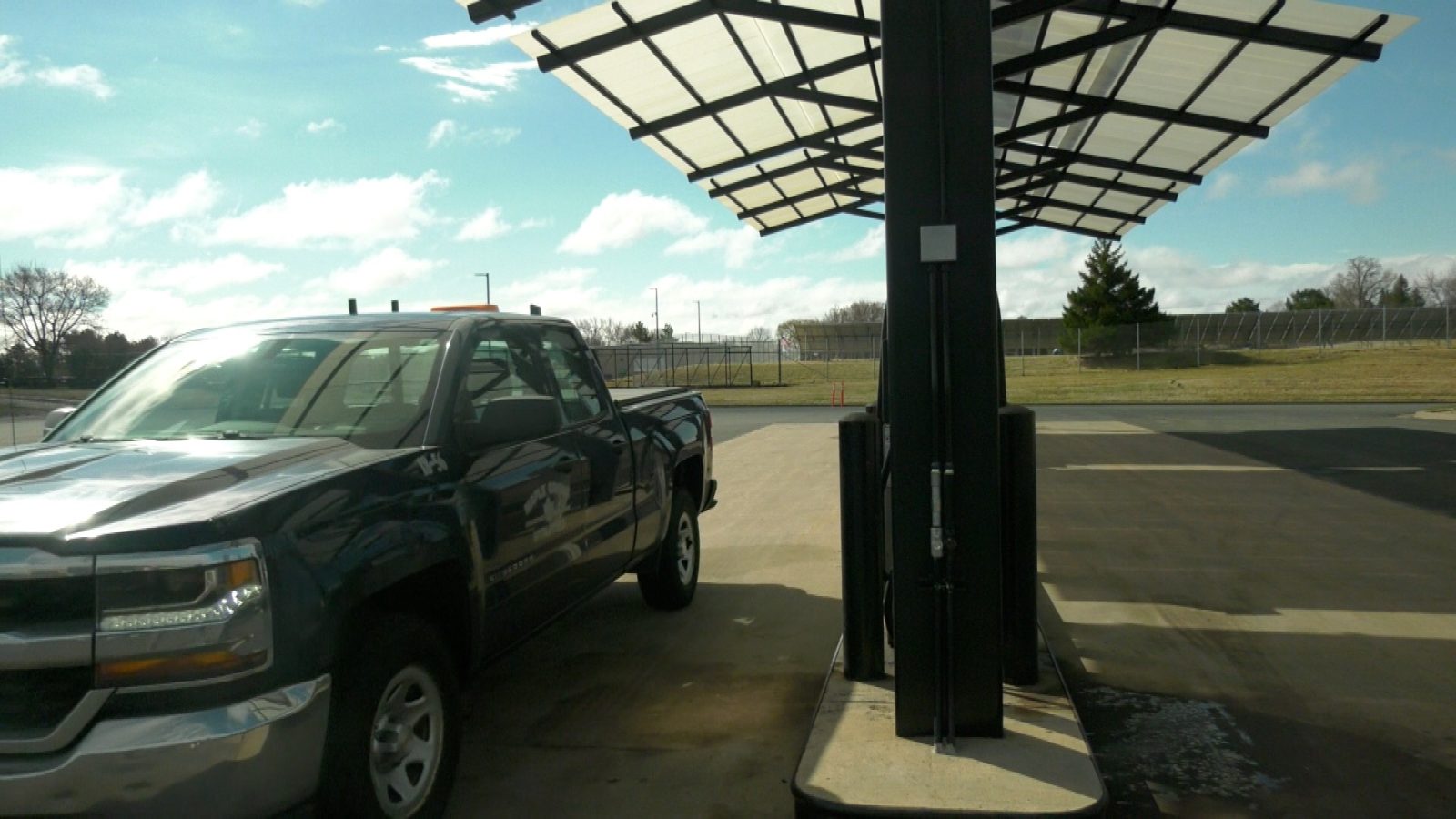
A Maple Grove utilities vehicle stops by the public works department’s fueling station. There, vehicles can load up with diesel or unleaded gasoline.
Busing Challenges
The private mass transit industry is seeing similar struggles.
Northstar Bus Lines runs about 400 vehicles between its Maple Grove location and its American Student Transportation base in Blaine. Most of its buses run on diesel.
“It’s escalated so quickly,” said Nick Martini, Northstar’s senior vice president of operations. “So there’s not a lot of time to compensate for it.”
Northstar provides private shuttle services and contracted busing services for districts of all sizes, including Osseo Area Schools and Anoka-Hennepin Schools.
The company gets weekly, and sometimes daily fuel deliveries.
As prices go up, private shuttle service costs fluctuate.
“We do save a little bit over what you and I pay at the pump in our personal vehicles, because we do buy in large quantities. But the rapid rise we’ve not been immune to. Every invoice, the price keeps going up, and up, and up,” Martini said.
Martini said typically, school districts are locked into a contract. Buses run despite the cost of diesel because kids have to get to school.
However, there’s a fuel escalation clause for when prices go up, and districts help cover the costs if they get incredibly high or rise rapidly.
“It is hard, because they are competing for those classroom dollars or facility maintenance dollars that are now allocated to help fuel,” Martini said. “But it’s kind of a collective cost. At the end of the day, we’ve got to get kids to and from school, and we bear it together.”
Still, he wants to keep the dollars in the classroom.
Martini said Northstar tries to emphasize maximize efficiency on routes, especially when costs are on the rise.
Northstar also has a small fleet of electric buses, which cost more upfront but lead to savings on fuel.
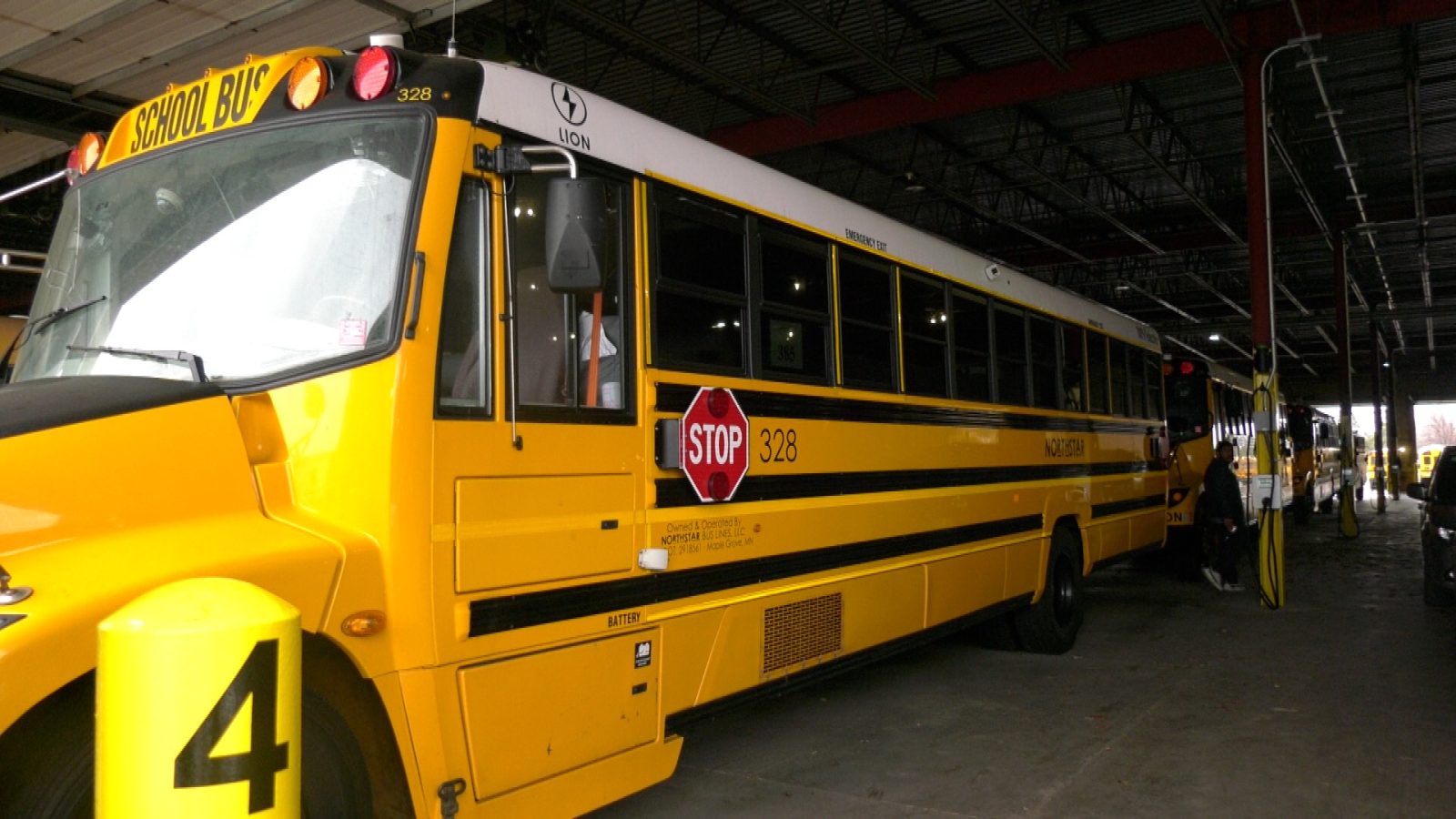
One of Northstar’s electric buses sits in the Maple Grove garage. Electric buses make up a small fraction of Northstar’s fleet, but help them save on fuel costs.

 CCX MEDIA
 NEWS
NEWS
 NEWS
NEWS
 SHOP/ORDER