
Legislation Targets Suburban Transit Lines
A bill that could put Metro Transit in charge of Maple Grove and Plymouth’s transit services is moving forward in the Minnesota House of Representatives.
If it’s approved, it could mean the end of those smaller transit services.
HF4111 would make the Metropolitan Council the sole transit operator in the Twin Cities.
As a result, Maple Grove Transit and Plymouth MetroLink would be consolidated under the Metro Transit umbrella.
Bill author Rep. Jon Koznick (R-Lakeville) said the move would save the state money.
“Maintaining four separate administrative bodies for providers that provide together only 4.5 percent of regional rides is not fiscally responsible, even if they were efficient routes,” Koznick said.
The House Transportation Finance and Policy Committee considered the bill on March 11.
It was estimated that consolidation would save $25 million in one-time costs and $24 million annually. That’s according to Metropolitan Transportation Services Executive Director Charles Carlson.
According to Koznick, consolidating transit won’t mean losing service in those areas.
However, 18 people testified at the committee, many of whom worried service would be lost. Most of them opposed the bill.
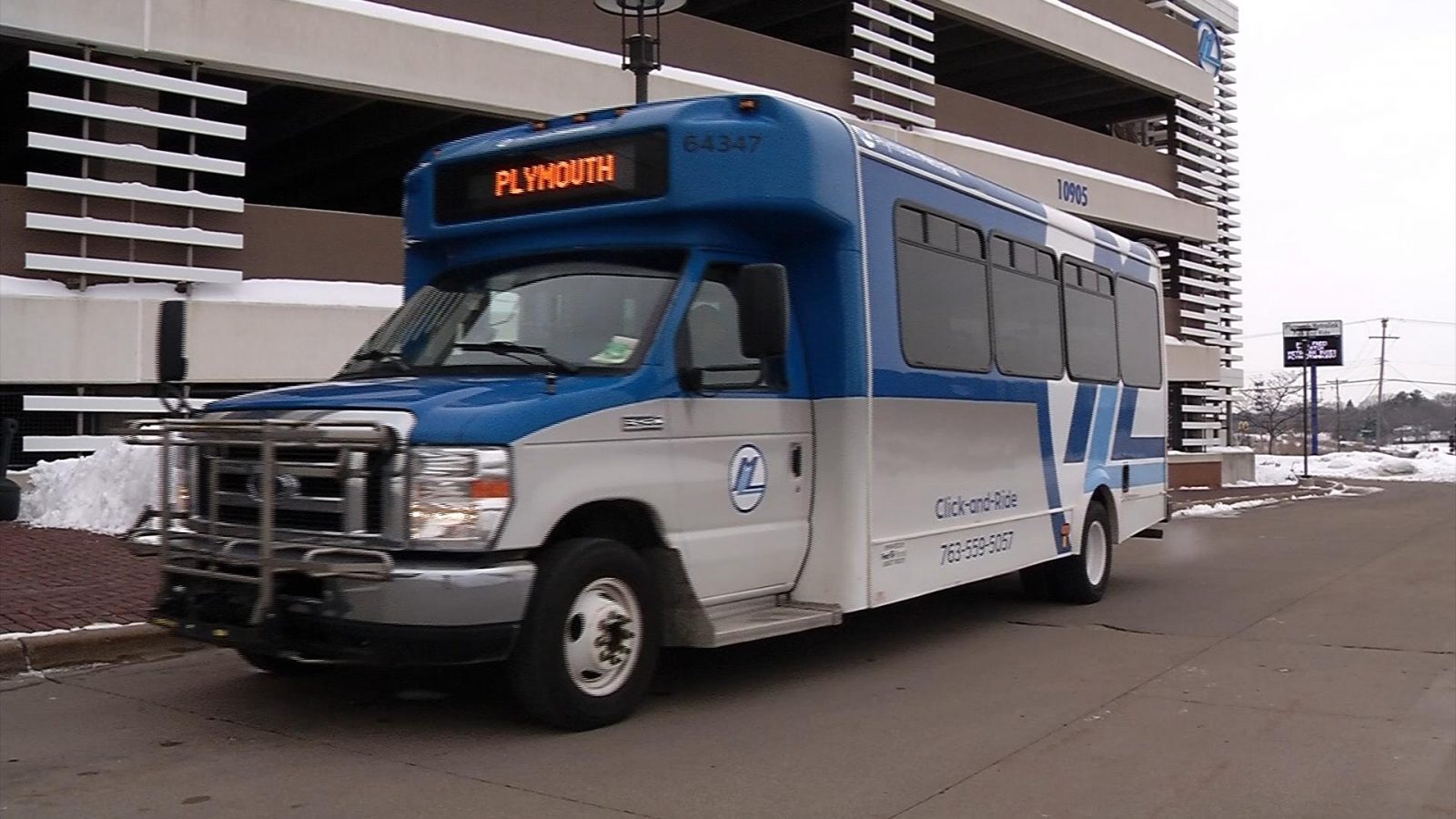
A Plymouth MetroLink bus in 2023.
Local Concerns
From a local perspective, Maple Grove Councilmember Kristy Janigo expressed concerns about how the bill could change service.
“Our buses bring seniors to medical appointments, youth to activities, workers to jobs, families to the grocery store, and people in need to services like food shelves,” Janigo said. “We strongly oppose H4111, as it not only threatens the model of effective and efficient transit service, but it casts great doubt as to what transit would look like in our community, or whether transit service would exist here at all.”
She told the committee that Maple Grove Transit’s system is doing well, and its MyRide program is thriving with local oversight.
Plymouth Councilmember Scott Aldrich also spoke in opposition of the bill, saying that Plymouth’s system is flexible to its residents. He argued that a centralized system wouldn’t be the same.
“We all share the same goal here, improving transit for the people who rely on it,” Aldrich said. “Minnesota’s transit system works best when it allows for regional cooperation, while preserving local expertise and accountability.”
Koznick concluded the meeting reading a letter from a neighbor in the southwest metro, who expressed concerns about seeing low ridership and mostly empty buses in their area.
The bill was ultimately sent to the Ways and Means Committee.
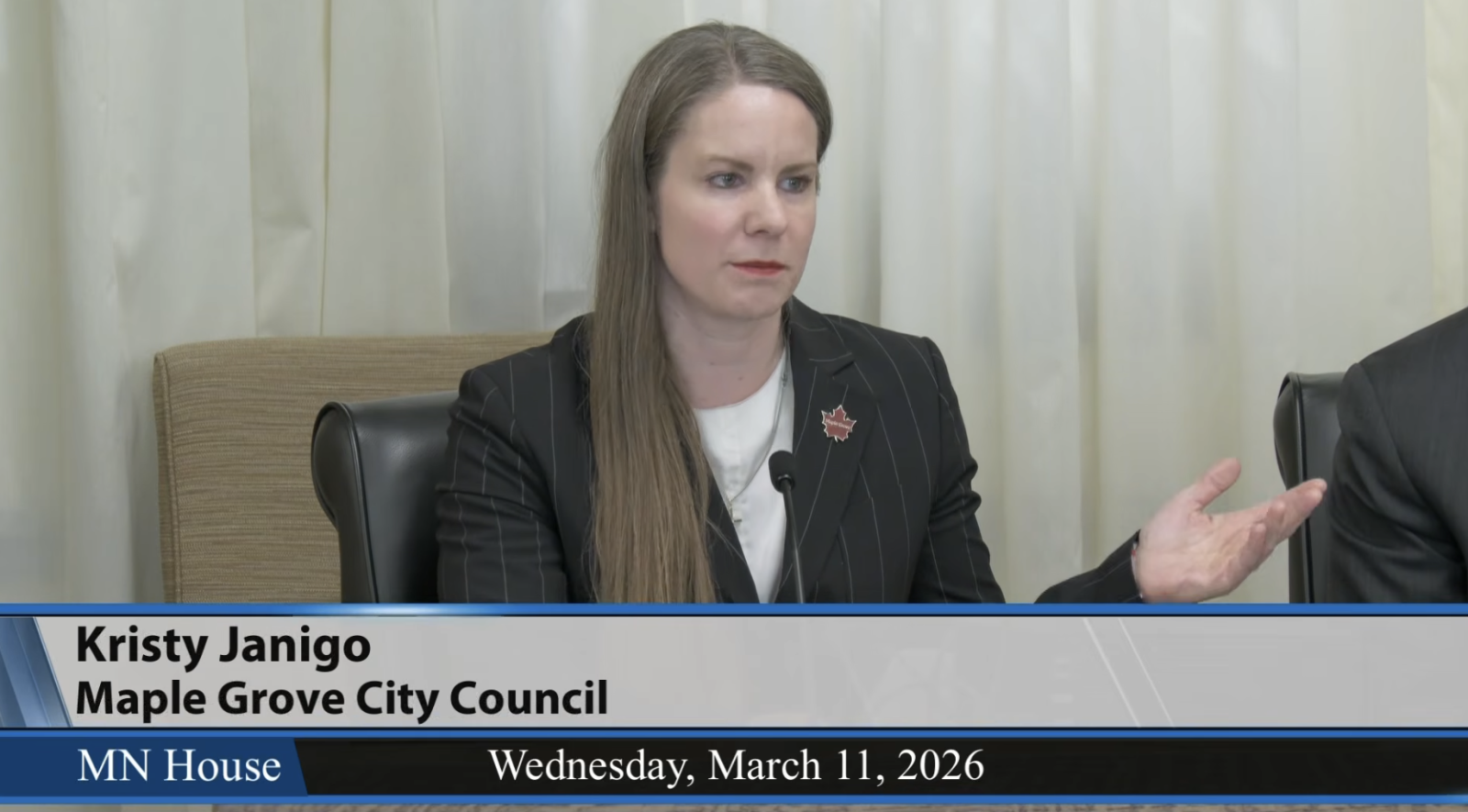
Councilmember Kristy Janigo shares concerns on behalf of Maple Grove Transit.