
ACER Shares Rights Advice for Businesses Amid Local ICE Activity
U.S. Immigration and Customs Enforcement (ICE) activity is affecting businesses across the northwest metro, according to local city officials, with some temporarily closing and others reporting a significant decrease in customers.
To help businesses, African Career Education and Resource, Inc. (ACER), hosted a “know your rights” virtual meeting in early February.
ACER is an organization that works primarily with the large population of African immigrants in the northwest suburbs, many of whom are business owners. It also owns the primarily BIPOC-occupied Shingle Creek Center strip mall in Brooklyn Center.
Denise Butler, ACER’s associate director, said she wants the community to know that ACER stands in solidarity with the targeted populations.
“Because of where ACER is, our strip mall is a target, and has been targeted. It has been a result of ICE coming here and detaining our tenants’ staff, and putting fear into their customers,” Butler said. “Some of our tenants have been closed for a little over a month now due to detention of their team members… and due to their customers being scared to visit their businesses.”
Butler said she wants to make sure businesses feel safe to open, and holding this “know your rights” training was one way to do that.
Some of the tactics they discussed were placing signage in the door. ACER has signs available in its office and is displaying them on the door. One of several on the door reads:
PRIVATE PROPERTY
- Members of our community are welcome and safe here, and any harassment of guests will not be tolerated
- We have the right to deny ICE and CBP access to private spaces without a judicial warrant
- We assert our constitutional right, which apply to everyone in this country regardless of immigration status
ADMINISTRATIVE WARRANTS ARE NOT VALID HERE
These rules apply to all law enforcement and immigration agents”
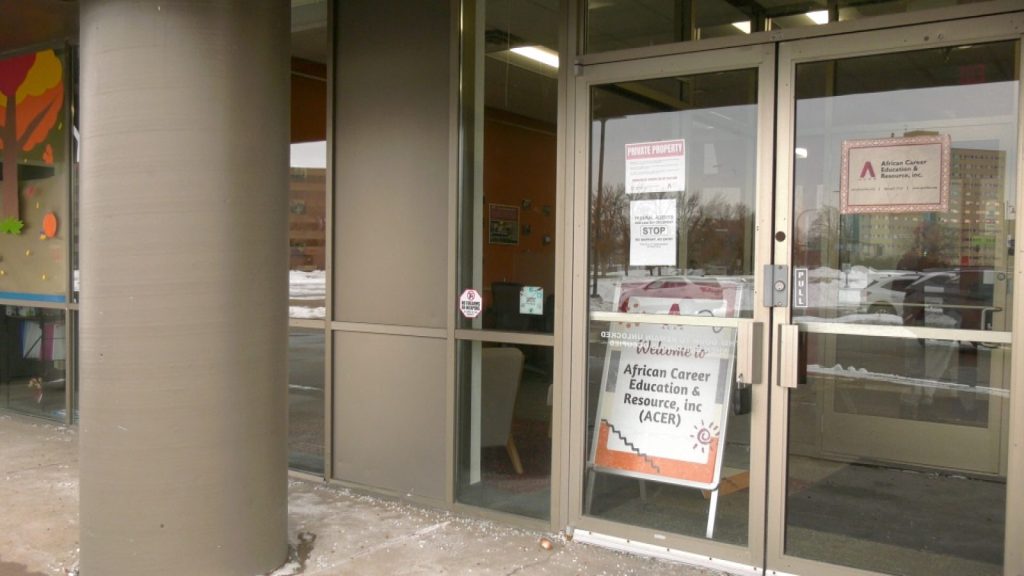
ACER’s inside door is locked with three new signs on the door. The company said they’ll provide signs to those who ask for them.
Education
Butler said its business sessions also educate people on the difference between a judicial warrant and an administrative warrant. She said a judicial warrant is signed by a judge. It allows the officers access to a specific person within a specific business. An administrative warrant typically comes from ICE, but doesn’t need to be adhered to. Butler says knowing this difference can make people feel more safe.
The sessions also educate people on how to communicate when they encounter an ICE officer and how to identify an ICE officer over local or regional law enforcement.
Cities like Brooklyn Park and Brooklyn Center are largely made up of immigrant-owned businesses. Nancy Evans, ACER’s director of economic development, said these businesses bring income into the cities.
“It’s kind of sad to see some of the challenges that our tenants face. The traffic here has reduced a lot, businesses are shutting down. It may not happen to you, but it does largely affect everybody,” Evans said. “We’re really looking at advocating, right? To get more people to understand that all of us coming together to solve this problem is going to benefit all of us.”
Baker says if those who aren’t being targeted want to help, she asks them to train to become observers. She also asks that they stop by and support immigrant and BIPOC-owned businesses in their communities.
ACER held multiple sessions like this over the last month. To learn about future sessions, leaders recommend you subscribe to ACER’s newsletter or follow its social media pages. Links to those spaces are on ACER’s website.
Leaders also refer those in need of resources to Monarca Rapid Response line, which offers resources and training for those who need it.
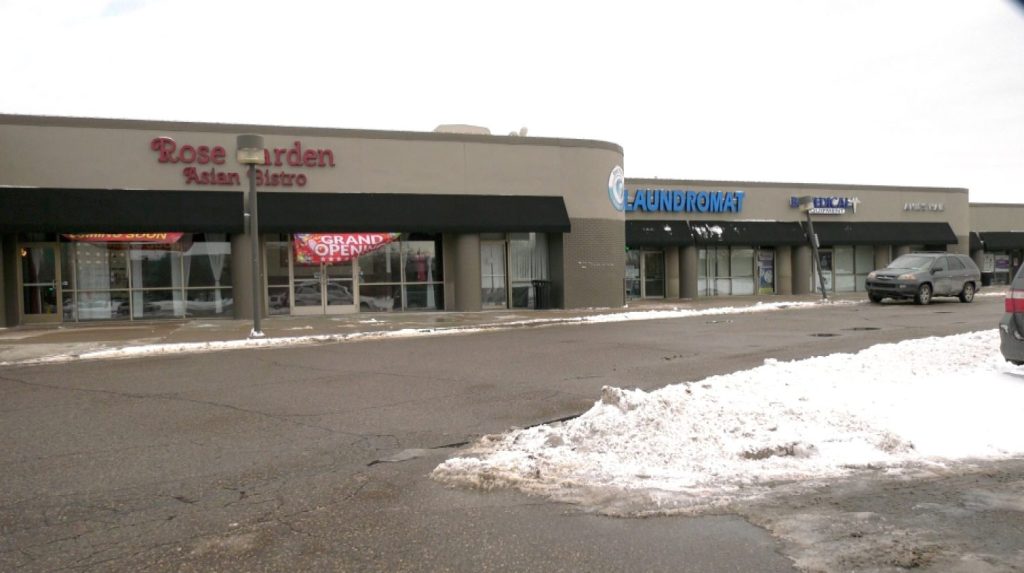
The Brooklyn Center strip mall where ACER is located is made up primarily of BIPOC business owners. Traffic’s significantly dropped at the strip mall over the last month.