
Adopt-A-Drain Program Could Help Save Impaired Waterways in Robbinsdale
You may not see them or pay much attention to them, but Robbinsdale has thousands of storm drains along its city streets.
“Robbinsdale is about a two-mile-long by one-mile-wide city, but we have over 26 miles of storm sewer system,” said the city’s water resources specialist, Jenna Wolf. “So it’s really important for how we move water around in the city, so we don’t flood areas out. So, that’s why we have our storm drain system.”
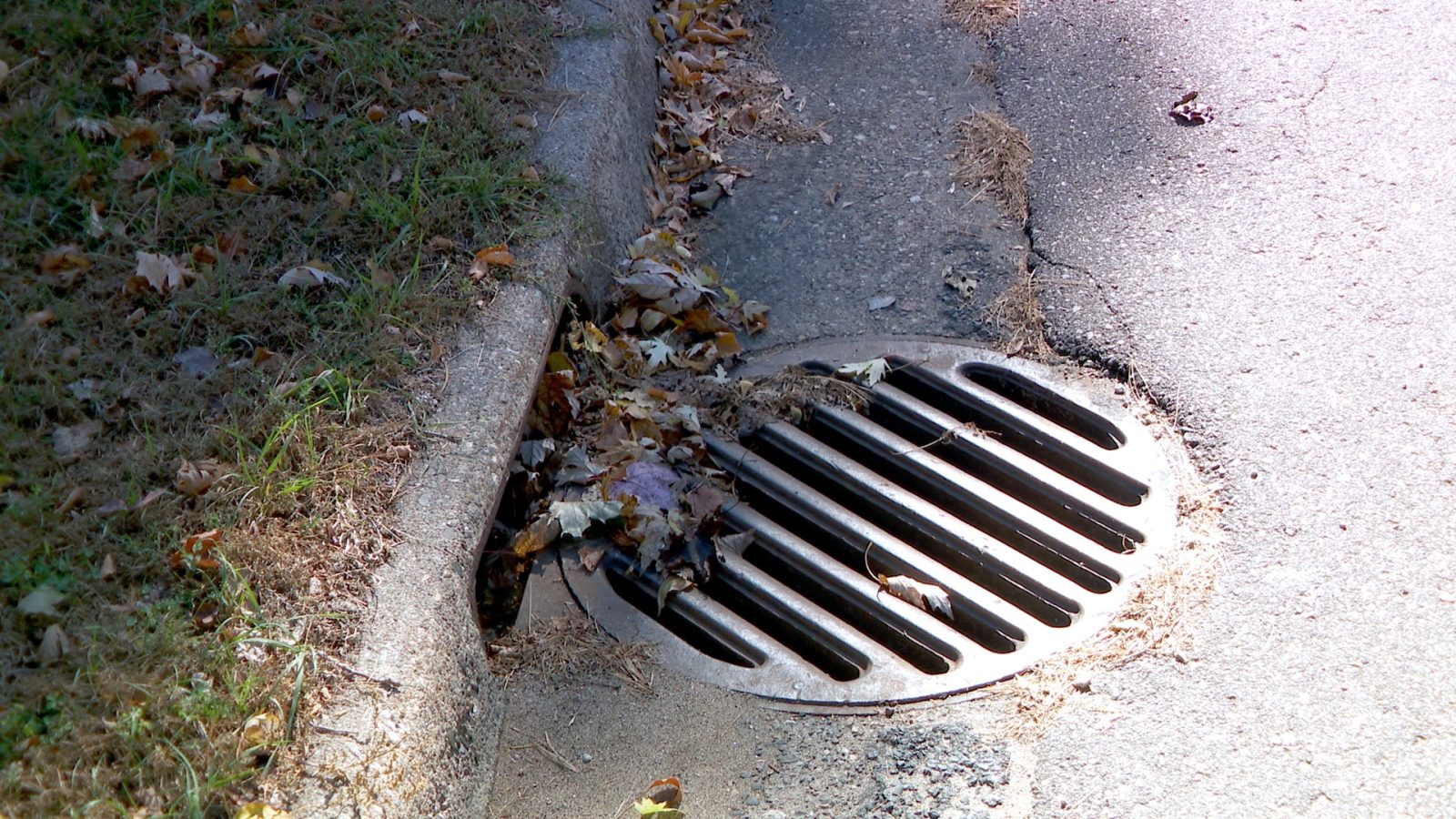
The great majority of Robbinsdale’s storm drains need adopting.
Wolf said many of those drains, which move water away from impervious surfaces like pavement, houses, and gutters, send water directly into waterways like Crystal Lake.
“There’s a big misconception that a lot of people think that water goes to our water treatment plant or gets treated before going somewhere else,” she said. “Crystal Lake is on the impaired waters list for excess nutrients, so all that excess leaf litter, that sand, that gravel, even dog poop–that contains excess nutrients that goes directly into the lake, so that’s contributing to the impairment of the lake.”
That’s why Wolf recommends residents adopt the storm drains nearest their homes. Hamline University started the Adopt-A-Drain program several years ago, and it’s now grown to include more than 27,000 adopted drains statewide.
“If you adopt a storm drain, you’re basically just pleading to keep that storm drain clean. All you have to do is go out periodically to help clean up all of that trash, debris, things like that, and just keep it out,” said Wolf. “It’s these small, little things you can do, these small behavioral changes that really make an impact, so even though you may not live near the lake or on the lake, if you have a storm drain near your house or in front of your house, you have lake front property.”